For most Trailblazers, earning a Salesforce certification is a moment worth celebrating after spending countless hours learning, practicing, and building new skills. But imagine putting in all that work, only to discover that the biggest obstacle on exam day has nothing to do with what you know.
For professionals with disabilities, traditional testing environments can introduce challenges that make demonstrating their expertise difficult. And sometimes, removing those barriers requires something surprisingly simple: asking what people need and making sure they have it.
That’s exactly what Salesforce set out to do at Dreamforce 2026.
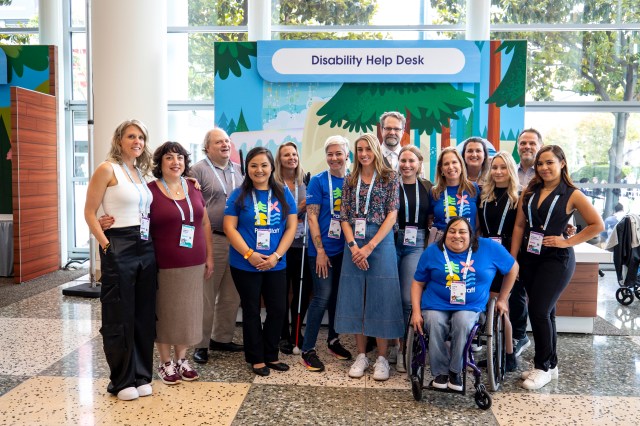
Through a collaboration between Salesforce Workforce Navigators, Blind Institute of Technology (BIT), and the Salesforce Certifications Team, Trailblazers with disabilities had the opportunity to pursue Salesforce certifications in a testing environment designed with their needs in mind. The results spoke for themselves: Every participant who requested accommodations passed their certification exam.
Creating an Accessible Certification Experience at Dreamforce
Making the Dreamforce certification experience more accessible didn’t happen overnight.
According to Kari Lucio, Senior Certifications Director at Salesforce, the initiative was roughly two years in the making. Suzanne Ferguson, who leads certification experiences at Salesforce events, worked alongside accessibility and events teams and community partners to bring the vision to life.
The goal was to remove unnecessary barriers so candidates could focus on demonstrating their Salesforce expertise, which meant thinking beyond the traditional testing environment.
“Planning earlier is the most important part for making this successful,” Ferguson explained.
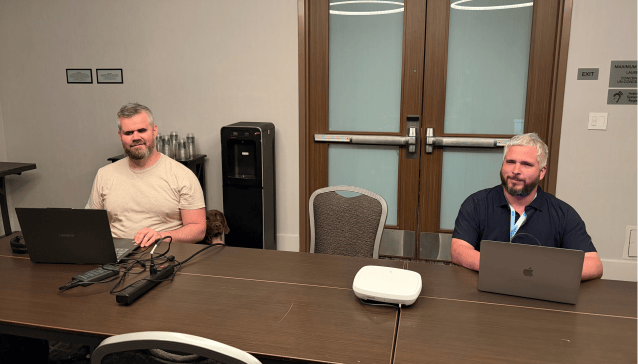
The team coordinated dedicated testing spaces, approved accommodations such as additional time and assistive technology, and support for candidates navigating the event. For some, that meant screen readers and headsets. For others, it means accessing a quieter environment or additional time to complete an exam.
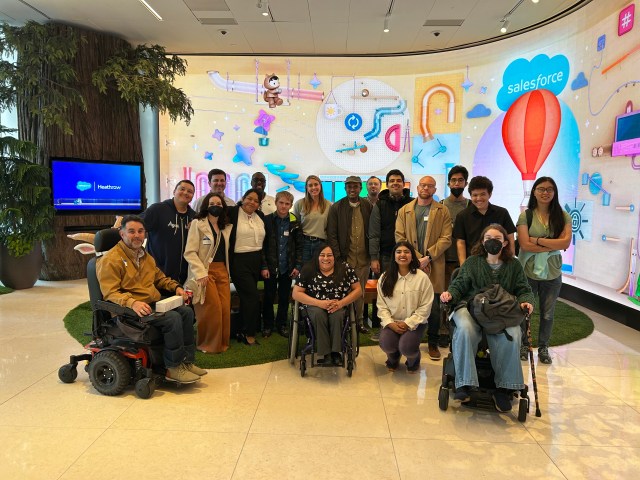
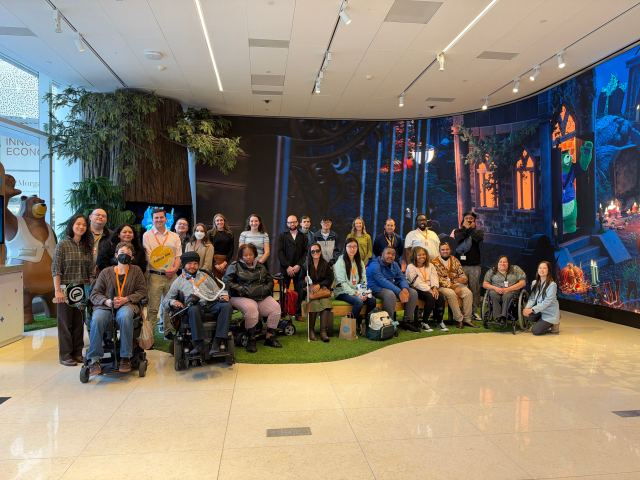
Mike Hess, founder of Blind Institute of Technology, described how Salesforce even went so far as to help BIT participants traveling from across the country navigate their Dreamforce experience. From airport accessibility resources to sighted guides who helped attendees find their way around the event, the team worked to remove stress wherever possible. “Salesforce took the stresses away,” Hess shared.
For Lucio, the experience reinforced the importance of involving people with firsthand experience when designing accessible processes.
“Put yourself in their shoes,” she explained. “Talking with individuals who go through this process to make it seamless is really important.”
The results were worth celebrating. Participants pursued certifications across Salesforce administration, business analysis, app development, Agentforce, and architecture. Importantly, accommodations didn’t change the exams themselves. Candidates still had to meet the same rigorous certification requirements.
As Lucio explained, a Salesforce certification carries the same value regardless of whether a candidate received accommodations.
“When someone has a certification, they have a certification,” said Lucio. “It’s not a certification with an asterisk. It’s the same stamp of approval we give to everyone else.”
For Hess, the experience also challenged misconceptions about what it takes to create accessible opportunities.
“It’s not a huge lift,” said Hess. “It’s just a matter of being intentional.”
What Certification Means for Career Opportunity
For the participants at Dreamforce, earning a certification represented an opportunity to demonstrate technical expertise, build professional credibility, and take another step toward meaningful career opportunities.
Hess knows firsthand how much that matters. Through BIT, he works to connect professionals with disabilities to training, certifications, apprenticeships, and employment opportunities in the technology industry. And he’s seen how often highly qualified individuals are overlooked—not because they lack skills, but because they haven’t been given the opportunity to demonstrate them.
“It’s not a lack of talent in our community. It’s a lack of opportunities,” he said.
Lucio echoed that sentiment, reflecting on the career-changing impact she’s seen Salesforce credentials have throughout her 16 years working with the certification program. For professionals looking to enter technology or transition into new roles, certifications can help build a résumé, establish credibility, and create new possibilities.
And for candidates with disabilities, accessible testing helps ensure those opportunities aren’t limited by barriers unrelated to their competencies.
At Dreamforce, that sense of opportunity extended beyond the certifications. Participants connected with fellow Trailblazers, celebrated one another’s achievements, and experienced the excitement of being part of the Salesforce community.
For some, it was their first time attending Dreamforce. For others, it was an opportunity to finally meet colleagues and peers they’d known only through virtual interactions.
The joy was unmistakable. Lucio recalled how prepared and enthusiastic the participants were, and how meaningful it was to see their excitement after completing their exams.
“Taking my certification exam at Dreamforce was one of the highlights of my week. The Salesforce team went above and beyond to make the experience seamless and enjoyable,” said participant Andrew Johnson. “I can’t wait to do it again at my next Salesforce event!”
As Hess put it, the significance of the initiative goes far beyond the exam itself:
“It’s not about getting certifications,” Hess said. “It’s about getting opportunities.”
Expanding Accessible Certification Pathways
Dreamforce 2026 was an important milestone on the journey toward making Salesforce certification accommodations accessible to as many people as possible.
As Salesforce continues evolving its certification ecosystem, improving the test accommodations experience remains an important area of focus. From submitting requests and providing documentation to scheduling exams and ensuring approved accommodations are available on test day, creating a clear and consistent process requires ongoing coordination.
There’s still work to do. However, the Dreamforce pilot offers a model for what’s possible when accessibility is built into the experience from the beginning.