What if the most valuable thing you gained from a career event wasn’t a new skill or a polished resume, but a connection that changes your professional journey?
That’s the power of mentorship—and it was on full display during October’s Disability Mentoring Day 2026 at Salesforce Tower in San Francisco.
Together with community partners Lime Connect and the Center for Independent Living, Salesforce’s Workforce Navigators program brought students, professionals, and employees together for two days of learning, networking, and honest conversations about building careers in technology. What emerged was a community of people eager to learn together and open doors for each other.
The enthusiasm was evident before the events even began.
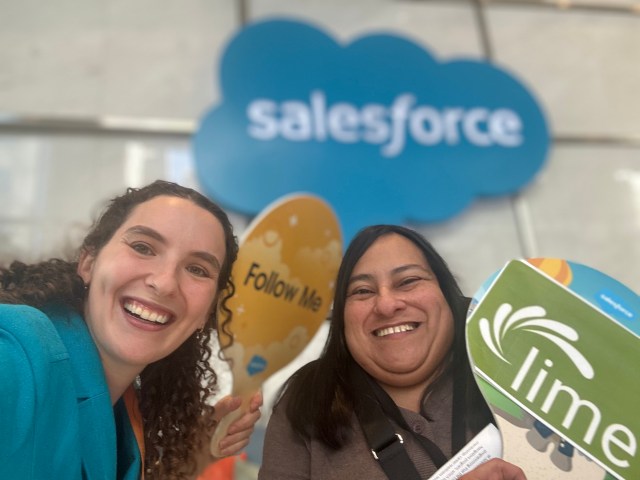
“When I started promoting this opportunity, so many of our network members were excited,” said Yardena Gerwin, Community Engagement Specialist at Lime Connect. Interest extended well beyond San Francisco, with members asking about similar opportunities in cities like New York, Chicago, and Boston.
That excitement reflects a growing appetite for accessible career development opportunities and the power of partnerships to help make them possible. As one attendee said:
“Everything happening at Salesforce got my attention,” says attendee Juhyung Lee. “Seeing how much inclusion and accessibility matter there gave me hope.”
From Mentee to Mentor: The Power of Workforce Navigators
One of the most powerful moments of Disability Mentoring Day came when Salesforce employee Luis Salazar shared his journey from mentee to mentor, offering attendees a firsthand look at how mentorship can help shape a career—and inspire someone to support others along the way.
Luis’s journey began with the Blind Institute of Technology, which connected him to Salesforce’s Workforce Navigators program. Over three rounds as a mentee, he gained guidance on everything from recognizing his technical strengths to building confidence and preparing for job interviews. That support helped him secure an apprenticeship at Salesforce, which eventually led to a full-time role.
Now a Workforce Navigators mentor himself, Luis used his time at Disability Mentoring Day to share lessons from his experience and encourage attendees navigating their own career journeys.
One message he emphasized was the importance of persistence, especially when progress feels slow.
“Consistency is not really about never failing. It’s not about basically being perfect every day,” Luis explained. “Consistency … is about always returning.”
For Luis, mentorship can make that persistence easier by connecting people with professionals who understand the challenges of building a career and can help them recognize their potential.
“The biggest value is that it would help people believe in themselves,” he said, explaining that Workforce Navigators connects participants with people who have already navigated similar career paths and can offer practical guidance.
For Yardena Gerwin of Lime Connect, hearing Luis’s story brought the impact of mentorship to life.
“To actually see what the partnership looks like in action and the case studies for it was so moving,” she said.
Luis’s experience reflects what Disability Mentoring Day is all about: creating opportunities for professionals with disabilities to learn from one another, build meaningful connections, and see what’s possible for their own careers. And by returning to Workforce Navigators as a mentor, Luis is helping extend that impact to the next generation of participants.
Creating Connections That Support Career Growth
This year’s Disability Mentoring Day showed how different community partnerships can create meaningful opportunities for growth.
At an event organized by the Center for Independent Living, attendees explored Salesforce learning resources, including Trailhead, and shared how they were developing skills for careers in technology. Several had earned Trailhead certifications, while others were working toward becoming Salesforce Administrators. Workforce Navigators provide the tools, skills, and connections that can help them succeed wherever their careers take them.
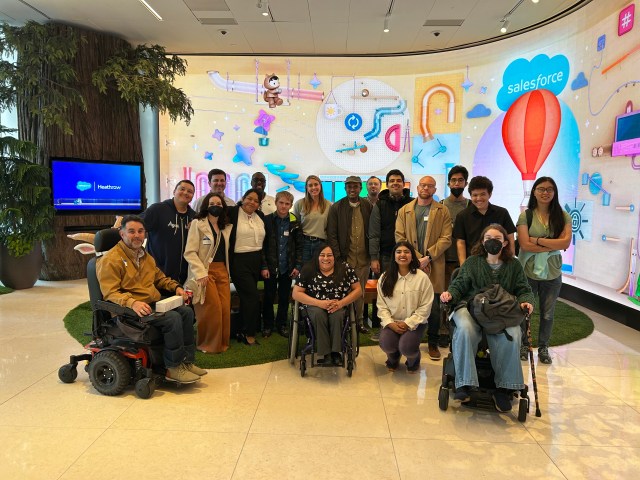
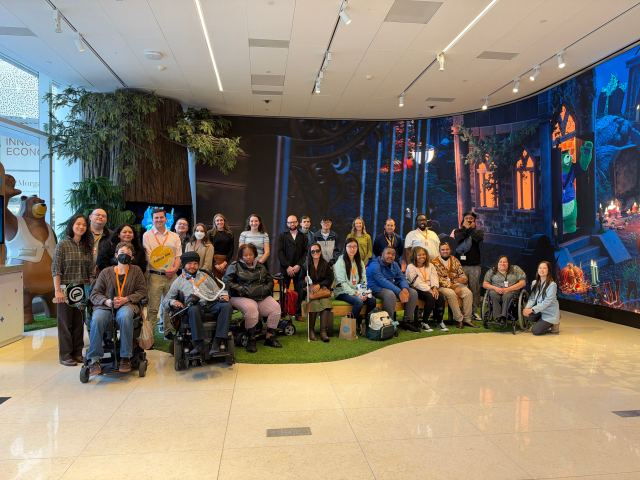
15 Lime Connect network members, including students from Stanford and UC Berkeley, joined Salesforce employees over the course of two days of programming that included a tour of Salesforce Tower, networking opportunities, and a disability-focused employee panel.
Panelists shared their career journeys, discussed the support that helped them succeed, and explored how experiences with disability can contribute to professional strengths like resilience, adaptability, and strategic thinking. Attendees were surprised at how accessible Salesforce HQ was. Many said that they feel hopeful that workplaces, especially as notable as Salesforce, take workplace accessibility and disability inclusion so deeply and thoughtfully.
“When we talk about disclosure and when we talk about accommodations and, again, viewing the strength in your disability, for many network members that can often feel abstract,” Gerwin explained.
Learning firsthand examples from Salesforce employees helped turn those abstract ideas into practical insights that attendees can carry into their careers, such as:
- Applying your strengths to what you study in college
- Selecting an appropriate career path
- Finding salary ranges for certain roles
- Preparing for interviews
Just as importantly, the events sparked new relationships. Gerwin recalled attendees exchanging contact information, discovering shared connections, and even offering to help one another prepare for technical interviews.
What started as a mentoring event became an opportunity to build community.
Expanding Access to Mentorship Through AI
As Salesforce continues working to expand career opportunities for professionals with disabilities, AI offers new possibilities for making mentorship and professional development more accessible.
AI-powered tools could help individuals practice interviews, build technical skills, explore career paths, and access personalized learning resources at their own pace. Salesforce’s Agentforce platform also presents opportunities to explore how AI agents could complement programs like Workforce Navigators by helping individuals find relevant resources and access guidance between mentoring sessions.
For professionals who benefit from flexible, individualized support, including neurodivergent coaching, these capabilities could offer additional ways to prepare for workplace conversations and navigate career challenges.
However, technology is only part of the equation. Accessible AI must be designed with diverse needs in mind, and it should complement—not replace—the human relationships that make mentorship meaningful.
Building a More Inclusive Future, Together
Disability Mentoring Day’s impact can extend far beyond the events themselves.
Through partnerships with the Center for Independent Living, Lime Connect, and other community organizations, Salesforce Workforce Navigators is helping professionals with disabilities build skills, expand their networks, and pursue meaningful careers in technology.
And as Luis’s journey from mentee to mentor demonstrates, the benefits of mentorship can come full circle.
For Gerwin, the most important advice for anyone looking to build their professional network is simple: start a conversation.
“You don’t have to formally go into a conversation asking someone to be your mentor,” she said.
Instead, ask questions, learn about someone’s career journey, and look for opportunities to continue building that relationship.Because sometimes, one conversation can be the beginning of something much bigger.
Learn more about Salesforce Workforce Navigators and how mentorship and community partnerships are helping create pathways to careers in technology for professionals with disabilities.